
Urological health problems can affect the kidneys, bladder, urinary tract and reproductive system. When specialized diagnosis or treatment is required, choosing an experienced urologist and a well-equipped hospital is an important decision.
India has become an important destination for international patients seeking specialized healthcare. Patients travelling to India for urological care can access experienced specialists, advanced diagnostic facilities and a wide range of treatment options.
At Abrar Global Healthcare, we help international patients connect with suitable healthcare providers and coordinate their medical journey in India.
What Does Urology Treat?
Urology is a medical specialty focused on conditions affecting the urinary system and, in men, the male reproductive system.
Urologists may diagnose and treat conditions involving:
- Kidneys
- Ureters
- Urinary bladder
- Urethra
- Prostate
- Male reproductive organs
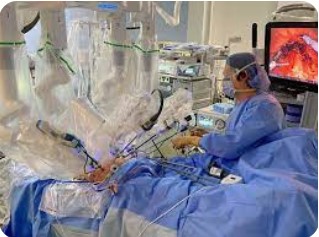
Depending on the condition, treatment may involve medication, lifestyle management, minimally invasive procedures or surgery.
Common Urological Conditions
International patients may seek treatment in India for a variety of urological conditions, including:
1. Kidney Stones
Kidney stones are hard deposits that can develop inside the kidneys. Depending on their size, location and symptoms, treatment may range from medical management to procedures for removing or breaking up the stone.
2. Prostate Problems
Prostate conditions are common among men, particularly as they get older. Benign prostate enlargement and other prostate-related conditions can cause urinary symptoms and may require evaluation by a urologist.
3. Urinary Tract Problems
Recurring urinary problems, difficulty passing urine, urinary infections and other urinary-system conditions may require specialist assessment to determine the underlying cause.
4. Urological Cancers
Urologists can be involved in the diagnosis and treatment of cancers affecting organs such as the kidney, bladder and prostate. Treatment depends on the type and stage of the disease.
5. Male Urological Conditions
Specialist urological care may also address certain male reproductive and urinary health conditions. Patients should receive an appropriate medical evaluation before deciding on a treatment.
Why Choose India for Urology Treatment?
International patients may consider India for urological treatment because of the availability of experienced specialists, advanced hospitals and multiple treatment options.
Some hospitals offer modern facilities for diagnosis and minimally invasive procedures, depending on the patient’s condition and medical requirements.
The appropriate hospital and treatment approach should always be determined after reviewing the patient’s medical history and diagnostic reports.
How Abrar Global Healthcare Helps International Patients
Travelling to another country for medical treatment involves more than finding a hospital. Patients may also need help with consultations, medical documentation, travel arrangements and coordination.
Abrar Global Healthcare can assist international patients with:
- Doctor and hospital coordination
- Initial medical consultation
- Medical report sharing
- Treatment planning
- Appointment coordination
- Medical travel assistance
- Visa-related guidance
- Airport and local transportation assistance
- Accommodation coordination
- Follow-up support
Our goal is to make the medical travel process more organized and convenient for international patients.
How to Start Your Urology Treatment Journey in India
If you are considering urology treatment in India, you can start by sharing your relevant medical reports and previous treatment details.
A qualified urologist can review your medical information and recommend the appropriate next steps. Depending on your condition, additional diagnostic tests may be required before a final treatment plan is established.
Step-by-Step Process
1. Share Your Medical Reports
Provide relevant reports, scans, prescriptions and previous medical records.
2. Get Specialist Evaluation
Your medical information can be reviewed by an appropriate urology specialist.
3. Understand Your Treatment Options
The doctor can explain the recommended treatment, expected duration and hospital requirements.
4. Plan Your Medical Trip
Once you decide to proceed, travel, accommodation and other arrangements can be coordinated.
5. Receive Treatment in India
You can visit the selected hospital and receive treatment under the supervision of the medical team.
6. Follow-Up Care
After treatment, follow-up can be arranged according to your doctor’s recommendations.
Choose the Right Urology Care in India
Choosing the right specialist and hospital is an important part of any medical journey. Every patient’s condition is different, so treatment should be based on an individual medical evaluation rather than a general online recommendation.
If you are looking for urology treatment in India, Abrar Global Healthcare can help you explore suitable healthcare options and coordinate your medical journey.
Contact Abrar Global Healthcare today to discuss your urology treatment requirements in India.
Disclaimer: This article is for general educational purposes only and does not constitute medical advice. Diagnosis and treatment decisions should always be made by a qualified healthcare professional.

 one by asking the person about the symptoms. It is also considered an infection if the symptoms are present over a long period.